Book Review: Frankenstein
In Frankenstein, lyrical and psychological prose combines with a cultivated atmosphere of Gothic tragedy to bring Shelley’s narrative to life.


In Frankenstein, lyrical and psychological prose combines with a cultivated atmosphere of Gothic tragedy to bring Shelley’s narrative to life.
A love of the natural world (Watership Down is a real place) enables Adams the storyteller to deeply inhabit the lives of his characters.
Readers, prepare for the intrusion of the narrator. Knowing exactly why the action is happening is overrated.
Abandon your preconceptions & prepare for a wild ride. (Spoiler: some of that ride takes place on a broomstick, with a pig riding shotgun.)
Descriptions of the Siberian landscape and the life of the inmates at work and at ‘home’ are thoroughly engaging.
Throughout, readers will find find key explorations of Nietzschean ideas such as the ‘Will to Power’ and the ‘Übermensch’.

When freed from the restrictions of the long-form novel, Woolf’s writing seems to become much looser, more experimental and fun.
1984 follows Winston’s struggle against the oppressive regime of Ingsoc and the imposing figurehead of Big Brother
Unlike the work of many of his contemporaries, Montaigne’s work as a scholar, traveller and humanist remains accessible
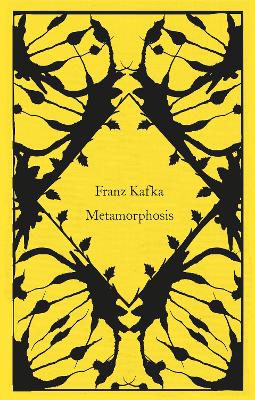
It has brilliant atmosphere and symbolism which elicits the alienation that is so important in Kafka’s works.

As a passionate reader of mystery fiction, I can confidently say that this book is one of the finest in the genre.

This book is shocking, ridiculous and sometimes disgusting while being written so beautifully with precision and awe-struck gentleness.

It sits comfortably alongside Dracula by Brom Stoker and Frankenstein by Mary Shelley by as a Gothic classic.

My favourite line: ‘Pangloss deceived me cruelly when he said that all is for the best in the world.’ Gold.