
Book Review: Ponyboy
This poetic prose turned whirlwind novel reveals the plastic neon monotony of addiction without ever being repetitive.


This poetic prose turned whirlwind novel reveals the plastic neon monotony of addiction without ever being repetitive.

This book offers insights into a fascinating, stigmatised history, giving voice to the abundance of stories emerging from pockets of community.
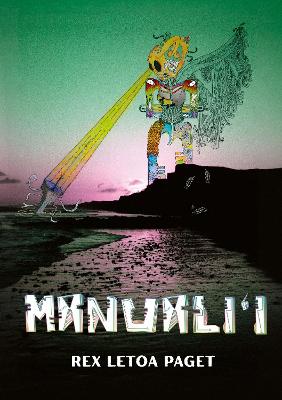
The author weaves together ancestral Samoan knowledge and his own lived experience, strengthening the tether between the two.

Dedicated to showcasing the warm curiosity of love and the often clumsy devotion of desire, this collection is hilarious, erudite and HOT.
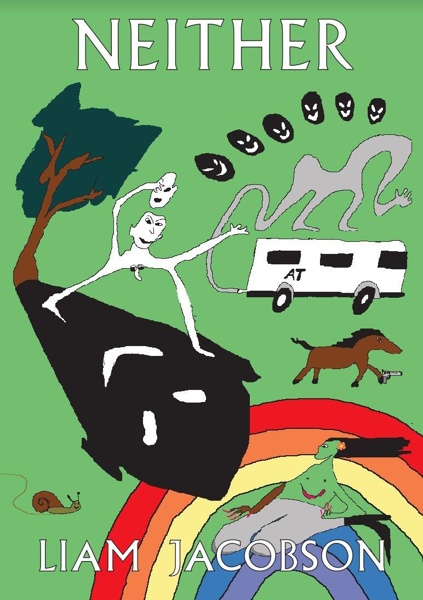
Chewing on anything juicy and sour and rich, these poems will roll on your tongue and get stuck in your teeth. DO IT!
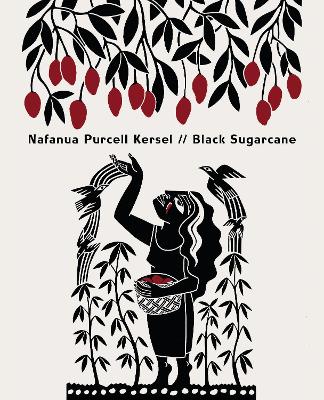
Kersel invites the reader to inhale this collection in a way that allows the words to move through you and tether to an internal rhythm.

Hura’s words are rhythmically crafted, using language so precise and sensory that we are pulled into effect in surprising ways.
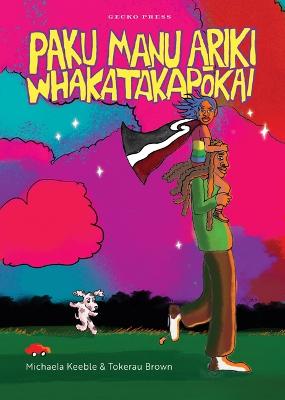
This story is full of sweet and funny kids interpretations of te ao Maori and is a beautiful example of what childhood can look like.
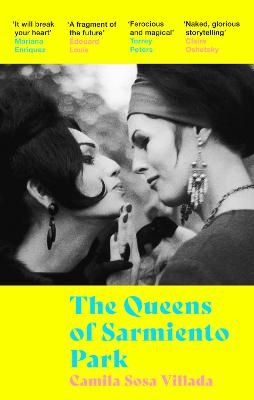
With complex friendships and bonds, the house is boundless in love and strange connections & their new addition changes each of their lives.
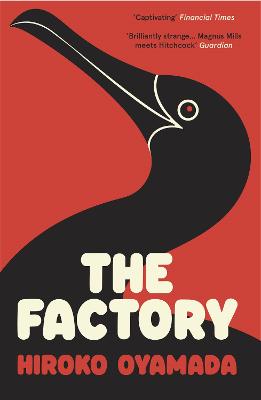
The longer we spend in The Factory, the more strange and frightening the place becomes, seething with a sinister coercion.

Ngarewa’s writing is sensory and atmospheric, giving attention to moments of humanity in bleak and divisive circumstances.

Affecting, politically pertinent and visually pleasing, PUHIA is a publication I read immediately as it arrives in-store.

This journal always pulls me out of a scholarly reading rut and reinvigorates ideas of postcolonial leftist theory with creativity.
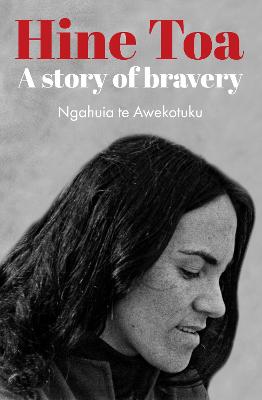
The writing is so courageously honest while sneakily feeding you an NZ history lesson through a series of intimate experiences.

Lorde is generous with her insights and personal experiences, making this collection incredibly accessible for all kinds of readers.

This collection is vulnerable and precise, travelling through and between the streets of Christchurch like a supercut of sweet memories.
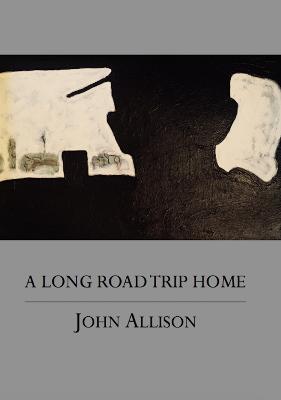
John Allison has a gift for noticing the sweetness, finding gentleness everywhere and holding dear to a contemplative sentimentality.
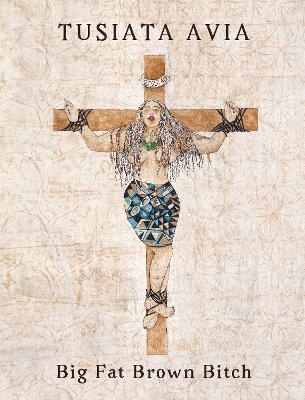
These poems lead with an open heart, pleading with surrender and screaming for justice and anyone who is watching can feel Avia’s frustration.

This collection, while painfully truthful and heartbreaking, is buoyed with a boundless and indomitable sense of celebration.

Ngarewa’s writing is sensory and atmospheric, giving attention to moments of humanity in bleak and divisive circumstances.